
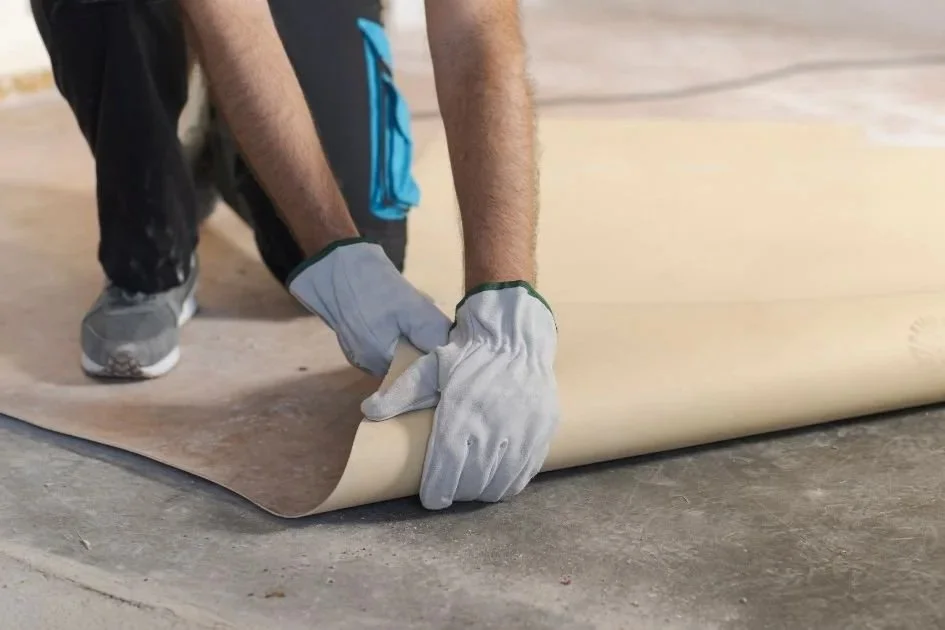
Flooring covers a large portion of your home, so it has a major impact on both the finished design and your remodeling budget. Linoleum, vinyl, laminate, carpet, and selected tile products can all help control costs, but the cheapest material is not always the least expensive floor once removal, subfloor preparation, labor, trim, and transitions are included.
For homeowners in the Greater St. Louis area, the best value comes from comparing the complete installed cost and choosing a material that fits the room. A kitchen, basement, bedroom, and bathroom all place different demands on flooring, so price should be only one part of the decision.
How Much Does It Cost to Lay Linoleum?
Linoleum flooring generally costs about $3 to $12 per square foot installed, depending on the product, room conditions, installation method, and preparation required. At that range, a 200-square-foot room may cost about $600 to $2,400, while 500 square feet may cost approximately $1,500 to $6,000.
The actual price can change once the existing flooring is removed. A clean, flat subfloor keeps installation relatively straightforward, while damaged underlayment, old adhesive, uneven areas, or multiple flooring layers can add labor and material costs. In the St. Louis area, flooring installation labor may run roughly $1.50 to $4 per square foot, and removing an existing floor can add another $1.50 to $4 per square foot depending on the material and difficulty.
What Is Included in Linoleum Flooring Costs?
The cost of installing linoleum usually includes more than the flooring material itself. A complete flooring estimate may account for:
Linoleum material
Extra material for cuts and waste
Existing flooring removal and disposal
Subfloor repairs
Leveling or patching
Underlayment
Adhesives
Installation labor
Baseboard or shoe molding adjustments
Thresholds and flooring transitions
Door adjustments
Cutting around cabinets, appliances, and plumbing
This is why comparing flooring based only on the shelf price can be misleading. An inexpensive floor that requires extensive preparation can cost more than a higher-quality product installed over a subfloor that is already in good condition.
What Could a 200-Square-Foot Room Cost?
A 200-square-foot linoleum flooring project could cost roughly $600 to $2,400 before significant repairs or additional remodeling work. If the existing flooring comes up easily and the subfloor is smooth, the project may stay near the expected range. If demolition reveals damaged underlayment, low spots, old adhesive, moisture problems, or multiple flooring layers, those issues should be corrected before the new floor is installed.
Preparation is not an optional extra when it affects the finished floor. Resilient materials such as linoleum can reveal imperfections underneath, so spending appropriately on the substrate helps protect the appearance and performance of the finished installation.
What Affects the Cost of Linoleum Flooring Installation?
The biggest factors affecting linoleum installation costs are subfloor condition, existing flooring removal, product type, room layout, and finishing details. Two rooms with the same square footage can have very different project costs if one is an open rectangle and the other requires extensive demolition, repairs, and detailed fitting.
Subfloor Condition
A smooth and stable subfloor is important because imperfections underneath linoleum can affect the finished surface. Depending on the condition of the room, preparation may involve patching, sanding, leveling, replacing damaged underlayment, removing adhesive, repairing cracks, correcting fasteners, or evaluating moisture.
This can be especially important in older Greater St. Louis homes. Properties in communities such as Kirkwood, Webster Groves, University City, and established St. Louis neighborhoods may have several generations of flooring and renovation work underneath the visible surface. Discovering those conditions early makes it easier to build the new floor correctly.
Existing Flooring Removal
The type of flooring already in the room can have a significant effect on labor costs. Carpet may be relatively simple to remove, while ceramic tile, mortar, glued flooring, or several layers of older material can require considerably more work.
After removal, the surface may also need additional preparation before the new floor can be installed. That is why demolition should be included when comparing flooring estimates rather than treated as a separate afterthought.
Sheet Linoleum vs. Tiles and Planks
Linoleum is available in sheet, tile, and plank formats, and each one installs differently. Sheet linoleum creates a clean appearance with fewer joints but requires precise measuring, cutting, adhesive application, and seam planning. Linoleum tiles allow more flexibility with patterns and colors but depend on accurate alignment. Click-lock linoleum products use a floating installation and may simplify installation in some rooms.
The best choice should be based on the room, design, substrate, and expected performance rather than labor price alone.
Room Layout
A simple rectangular room is usually easier to floor than a smaller space with several obstacles. Doorways, closets, kitchen islands, cabinets, plumbing penetrations, floor registers, stairs, angled walls, and transitions all require additional measuring and cutting.
Professional installation also considers where seams will fall, which direction the flooring should run, and how the new material will meet adjacent floors. These details have a major influence on how finished and intentional the room looks.
Trim and Transitions
Baseboards, shoe molding, thresholds, door casings, and neighboring floors all need to work with the new installation. If a remodeled kitchen meets an existing hardwood dining room, for example, the height and location of that transition should be planned before installation.
These details may be small compared with the overall floor area, but they are often what separates a carefully completed remodel from one that looks unfinished.
What Is Linoleum Flooring?
Linoleum is a durable resilient flooring material made primarily from natural ingredients such as linseed oil, wood flour, limestone, resin, and jute. Modern linoleum is available in a much wider range of colors, patterns, sheets, tiles, and planks than the older flooring many homeowners associate with the name.
It is also different from vinyl, even though the two terms are often used interchangeably.
What Is the Difference Between Linoleum and Vinyl?
Linoleum is primarily made from naturally derived materials, while vinyl flooring is a synthetic product generally made with PVC. Vinyl can imitate wood, stone, concrete, and tile using printed designs, while linoleum tends to have its own recognizable colors and patterns.
Vinyl is often favored where strong water resistance is a priority, including bathrooms, laundry rooms, kitchens, and many basements. Linoleum can still be an excellent choice in the right setting, especially for homeowners who value durability, comfortable footing, color, and its material composition.
Where Does Linoleum Work Best?
Linoleum works best in dry or well-managed interior spaces such as kitchens, breakfast rooms, mudrooms, offices, playrooms, hallways, and utility areas. Bathrooms and basements require more consideration because moisture exposure and installation conditions become more important.
For a finished basement, the better question is not simply, “Which floor is cheapest?” It is, “Which affordable floor makes sense for this basement and the way our family will use it?” The slab, moisture history, comfort needs, and room function should all influence the answer.
How Long Does Linoleum Flooring Last?
Quality linoleum can provide long-term performance when it is properly installed, maintained, and used in an appropriate room. Its lifespan depends on material quality, traffic, water exposure, maintenance, installation quality, and the condition of the floor underneath it.
Instead of judging flooring only by its purchase price, consider what it will cost to own and maintain over time. A floor that costs slightly more but lasts longer and fits the room better may provide greater value than the cheapest available option.
What Are the Best Budget-Friendly Flooring Options?
The best budget-friendly flooring options include sheet vinyl, luxury vinyl plank, laminate, carpet, linoleum, and selected ceramic or porcelain tile. The right choice depends on moisture, traffic, comfort, appearance, and how much preparation the room requires.
Sheet Vinyl Flooring
Sheet vinyl is often one of the lowest-cost professionally installed flooring options. Basic materials may begin around $1 to $2 per square foot, while many professional installations fall around $3 to $7 per square foot depending on the product and project conditions.
Sheet vinyl works well when homeowners want easy cleaning, strong water resistance, few seams, and a wide range of patterns at a controlled cost. It can be practical for laundry rooms, secondary bathrooms, utility spaces, rental areas, and other budget-conscious remodeling projects.
Preparation still matters. Because the material is relatively thin and continuous, uneven surfaces, poor cuts, and installation mistakes can be easy to notice.
Luxury Vinyl Plank
Luxury vinyl plank, or LVP, offers a wood-inspired appearance with good moisture resistance at a relatively affordable installed price. Many projects fall around $3 to $7 per square foot installed, although prices vary significantly by quality.
LVP is commonly used in kitchens, finished basements, mudrooms, laundry rooms, family rooms, and homes with children or pets. One of the biggest differences between inexpensive and well-selected LVP is appearance. Grain repetition, color variation, plank size, texture, and sheen can determine whether the floor looks convincing or obviously manufactured.
If LVP is part of a larger remodel, we also look at how its undertones coordinate with cabinetry, countertops, paint colors, and natural light.
Laminate Flooring
Laminate is a cost-effective choice for homeowners who want the appearance of wood in generally dry areas of the home. Material prices can fall around $1 to $5 per square foot, while professional installations may cost approximately $3 to $13 per square foot depending on the product and preparation required.
Laminate can work particularly well in bedrooms, living rooms, offices, dining rooms, and hallways. Modern products can provide a convincing wood appearance without the cost of many natural hardwood options.
Moisture is the main consideration. Some laminate products offer improved water resistance, but kitchens, bathrooms, basements, and other areas prone to leaks or standing water require closer attention to manufacturer specifications.
Carpet
Carpet remains one of the best affordable options when warmth, comfort, and sound absorption are priorities. Installed prices often fall around $3 to $11 per square foot depending on the carpet, padding, labor, and room conditions.
Bedrooms, family rooms, playrooms, home theaters, stairs, and properly dry finished basements are common applications. Padding also matters more than many homeowners realize. A reasonable carpet installed over quality padding can feel better and perform more comfortably than a more expensive carpet installed over inadequate padding.
Affordable Ceramic or Porcelain Tile
Basic ceramic and porcelain tile can be affordable materials, but installation often makes tile more expensive than vinyl, laminate, or linoleum. Material prices vary widely, and the finished project may also require demolition, underlayment, setting materials, grout, preparation, and additional labor.
Tile is often worth considering in bathrooms, entries, mudrooms, laundry rooms, and selected kitchens because of its durability and moisture performance. Homeowners trying to control costs can often save by using a straightforward tile size and layout instead of a labor-intensive pattern.
Linoleum and Marmoleum
Linoleum is usually not the absolute cheapest flooring option, but it can offer strong long-term value through durability, design flexibility, and its naturally derived material composition. It often costs more upfront than basic sheet vinyl but may make sense when those additional qualities matter to the homeowner.
Which Affordable Flooring Option Is Best?
There is no single best affordable flooring material because each option performs better in different rooms.
| Flooring | Budget Level | Moisture Performance | Comfort | Common Uses |
|---|---|---|---|---|
| Linoleum | Low to Moderate | Moderate | Comfortable | Kitchens, offices, hallways |
| Sheet Vinyl | Low | Strong | Moderate | Bathrooms, laundry rooms, utility spaces |
| LVP | Low to Moderate | Strong | Moderate | Kitchens, basements, family rooms |
| Laminate | Low to Moderate | Product-dependent | Moderate | Living rooms, bedrooms, offices |
| Carpet | Low to Moderate | Low | High | Bedrooms, theaters, family rooms |
| Ceramic or Porcelain Tile | Moderate+ | Strong | Firm | Bathrooms, entries, mudrooms |
For the lowest upfront cost, sheet vinyl, entry-level laminate, and some carpet products are often strong candidates. For moisture-prone spaces, vinyl or tile may provide better value. For homeowners who want a combination of durability, comfort, and distinctive design, linoleum can be worth the additional upfront cost.
The important number is the finished installed price, not simply the price printed on the flooring sample.
How Should You Choose Flooring for Each Room?
Choose flooring based on how the room is used, its moisture exposure, expected traffic, comfort needs, and the finishes around it. Using the same material everywhere simply because it is inexpensive can lead to poor performance or unnecessary compromises.
Kitchens
Linoleum, LVP, sheet vinyl, and selected tile are all practical budget-conscious flooring options for kitchens. Kitchen floors have to handle traffic, spills, dropped items, chair movement, appliance weight, and frequent cleaning, so durability and maintenance matter.
Appearance is also important because flooring covers so much visual space. If the cabinets or countertops already contain strong patterns or wood grain, a quieter floor can keep the room from feeling overly busy.
Bathrooms and Laundry Rooms
Vinyl and properly installed tile are often the strongest budget-friendly choices for bathrooms and laundry rooms because moisture resistance is especially important. Any other resilient material should be checked carefully for suitability in the intended application.
Flooring also needs to work around toilets, vanities, laundry equipment, floor registers, and transitions. Planning those details before installation leads to a cleaner finished room.
Basements
LVP, tile, and properly selected carpet are common budget-friendly basement flooring options, but the slab and moisture conditions should be evaluated first. Before selecting a finished surface, consider past moisture problems, current slab conditions, comfort, room use, and future access requirements.
A basement gym may need different flooring from a guest suite, theater, playroom, or bar area. Selecting flooring around how the space will actually function usually produces a better result than choosing one product based on price alone.
Bedrooms
Carpet, laminate, and LVP are all practical affordable flooring choices for bedrooms. Because bedrooms generally experience fewer spills and less demanding traffic, homeowners have more freedom to prioritize comfort and appearance.
Carpet provides softness and warmth, while laminate or LVP can create continuity with hallways and neighboring spaces.
Living Rooms and Hallways
LVP and laminate are popular budget-friendly options for living rooms, hallways, and connected gathering spaces. Using one flooring material through several connected rooms can also make the home feel larger and more cohesive.
Too many flooring changes can make an open floor plan feel fragmented, so transitions should be planned instead of added wherever one material happens to stop.
What Hidden Costs Should You Expect When Installing New Flooring?
Common hidden flooring costs include demolition, subfloor repairs, leveling, moisture correction, underlayment, adhesives, trim work, door adjustments, transitions, and extra material for waste. These expenses are why multiplying square footage by the flooring price rarely gives homeowners the complete project cost.
Subfloor repairs are especially important. Finished flooring should not be expected to hide loose panels, dips, damaged areas, or uneven surfaces underneath it. Moisture problems should also be addressed before installing a new floor, particularly in basements, bathrooms, laundry rooms, and slab-on-grade spaces.
Homeowners should also budget for additional flooring material rather than ordering the exact measured square footage. Cuts, room shape, pattern direction, damaged pieces, and future repairs can all require extra material.
Can You Save Money by Installing Flooring Yourself?
Yes, DIY flooring installation can save labor costs, but it makes the most sense with a straightforward room, a forgiving flooring system, and a properly prepared subfloor. Floating click-lock flooring is generally easier for experienced DIY homeowners than large sheet materials or complicated tile installations.
DIY installation may make sense when you understand floor preparation, have the proper tools, can work carefully, and are confident that mistakes will not interfere with a larger remodeling project.
Sheet flooring deserves particular caution because one inaccurate cut can affect a large piece of material. Kitchens, bathrooms, open floor plans, stairs, and rooms with numerous cabinets or transitions also require considerably more planning than a simple rectangular bedroom.
Professional installation is usually worth considering when the subfloor needs repair, old flooring is difficult to remove, several materials need to meet cleanly, or flooring is part of a larger kitchen, bathroom, basement, or whole-home remodel.
Why Does Subfloor Preparation Matter?
Subfloor preparation matters because the finished flooring can only perform as well as the surface supporting it. High spots, low areas, damaged panels, cracks, movement, adhesive residue, moisture, and debris can all affect the final installation.
This is particularly noticeable with thinner resilient flooring. A small ridge or uneven patch that seems minor before installation can become visible once the finished floor is in place.
Correcting the substrate beforehand costs less than removing a new floor later to repair a problem that should have been addressed from the beginning.
Frequently Asked Questions About Affordable Flooring
Is Linoleum Cheaper Than Vinyl?
Linoleum is not usually cheaper than basic sheet vinyl. Basic vinyl material can start around $1 to $2 per square foot, while basic linoleum may fall around $2 to $5 per square foot before installation. Product quality, floor preparation, installation method, and room conditions can significantly change the final price.
What Is the Cheapest Flooring to Install?
Basic sheet vinyl, inexpensive carpet, and some laminate products are often among the cheapest professionally installed flooring options. The least expensive material can become more costly if the room requires extensive demolition, leveling, underlayment, repairs, or trim work, so compare complete project estimates.
How Much Does It Cost to Floor a 500-Square-Foot Room With Linoleum?
A 500-square-foot linoleum floor may cost approximately $1,500 to $6,000 installed based on a broad range of $3 to $12 per square foot. Significant demolition, subfloor repairs, complicated layouts, or additional remodeling work can increase the price.
Is Linoleum Good for a Basement?
Linoleum can work in some basements, but the slab and moisture conditions should be evaluated before installation. If moisture exposure is a concern, LVP or tile may be a better fit depending on the basement and the planned use of the space.
Does New Flooring Increase Home Value?
New flooring can improve a home's appeal and perceived value, especially when it replaces worn, damaged, or inconsistent flooring. The actual resale benefit depends on the material, workmanship, neighborhood, condition of the home, and quality of the overall remodel.
Flooring should therefore be selected first for how well it serves the home and family rather than based only on a projected resale percentage.
What Flooring Gives You the Best Value for the Money?
The best-value flooring is the material that fits the room's conditions without making you pay for performance you do not need. LVP can be a strong choice for moisture-prone finished basements, carpet can provide affordable comfort in bedrooms and theaters, tile can justify its higher installation cost in bathrooms, and linoleum can offer a useful balance of durability, design, and cost in kitchens, offices, and other living spaces.
The goal is not to find the cheapest flooring in the store. It is to choose a floor that fits your budget, performs well in the room, and still looks like it belongs in the finished home.
If you are planning a kitchen, bathroom, basement, or whole-home remodel in the Greater St. Louis area, Morganco Design Build can help you compare flooring options as part of the complete design and construction plan. Thoughtful material selection, proper preparation, and careful installation can help you spend your remodeling budget where it makes the biggest difference.