
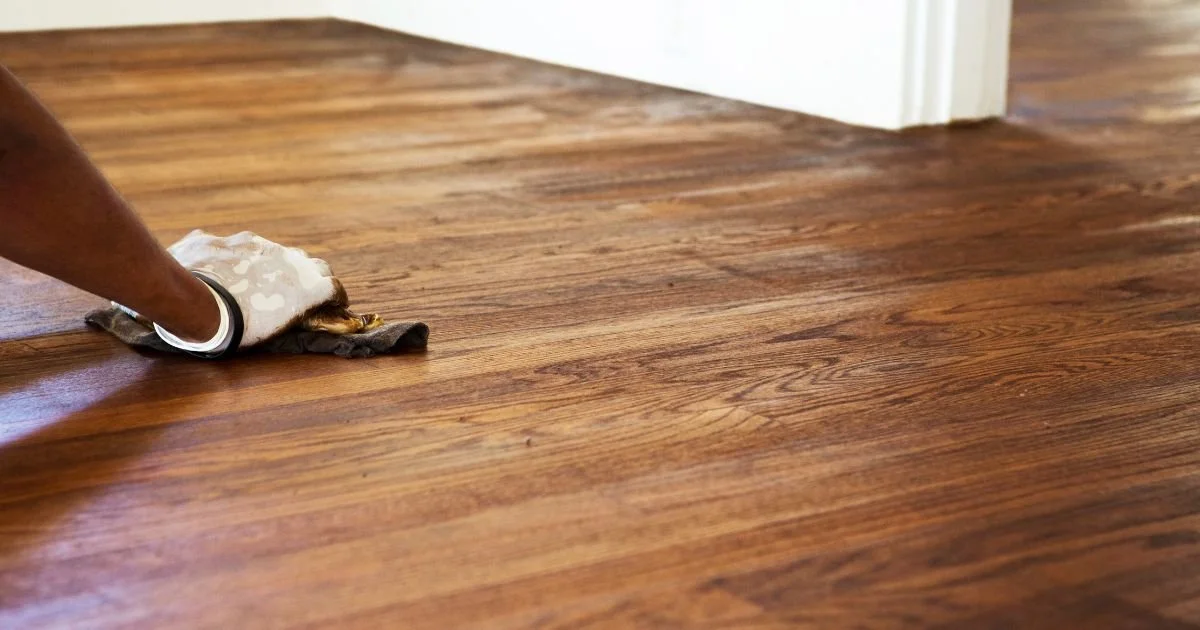
Worn, scratched, or faded flooring can make even a beautifully designed home feel outdated. Replacing the entire floor might seem like the obvious solution, but refinishing existing hardwood can often restore its appearance at a fraction of the cost.
For homeowners in the Greater St. Louis area, understanding flooring refinishing costs is an important part of planning a home remodel. The right approach can preserve the character of your existing floors, improve durability, and create a refreshed look without unnecessary replacement.
How Much Does It Cost to Refinish Flooring?
Refinishing hardwood flooring typically costs between $3 and $8 per square foot in the St. Louis area, including professional labor and finishing materials. For a 500-square-foot space, homeowners can expect to spend approximately $1,500 to $4,000, depending on the floor's condition, wood type, and refinishing method.
These estimates apply primarily to hardwood flooring. Other materials, such as laminate, luxury vinyl plank, tile, and concrete, require different restoration methods and costs.
Average Hardwood Floor Refinishing Cost by Square Footage
The size of your flooring project is one of the biggest factors affecting the final price.
| Floor Area | Estimated Refinishing Cost |
|---|---|
| 100 sq. ft. | $300–$800 |
| 200 sq. ft. | $600–$1,600 |
| 300 sq. ft. | $900–$2,400 |
| 500 sq. ft. | $1,500–$4,000 |
| 800 sq. ft. | $2,400–$6,400 |
| 1,000 sq. ft. | $3,000–$8,000 |
These are general 2026 planning estimates based on typical St. Louis hardwood refinishing rates. Actual quotes may vary, and extensive repairs, specialty finishes, or minimum project charges can increase the cost.
These are general 2026 planning estimates based on typical St. Louis hardwood refinishing rates. Actual quotes may vary, and extensive repairs, specialty finishes, or minimum project charges can increase the cost.
For example, refinishing hardwood floors in a 300-square-foot living room in Kirkwood might cost between $900 and $2,400. A larger flooring project spanning the living room, dining area, and hallway could cost considerably more.
However, refinishing multiple connected spaces at once may reduce the cost per square foot because the contractor can complete preparation, sanding, and finishing more efficiently.
What Factors Affect Flooring Refinishing Costs?
Two homes with the same square footage can have significantly different refinishing costs. The difference often comes down to the flooring material, existing damage, and level of craftsmanship required.
1. Type of Hardwood Flooring
Different wood species have different characteristics that influence the sanding and refinishing process.
Oak is a common hardwood flooring material and is generally straightforward to refinish. Harder woods, such as maple, can require additional care to achieve consistent sanding and stain absorption.
Engineered hardwood presents another consideration. Unlike solid hardwood, engineered flooring has a limited top layer of real wood. Some products can be refinished, while others have a wear layer too thin for sanding.
Before beginning, a flooring professional should identify the material and evaluate whether enough usable wood remains for refinishing.
2. Existing Floor Condition
The condition of the existing flooring directly affects preparation and repair costs.
Floors with minor surface scratches and fading are usually simpler to restore than floors with deep gouges, significant staining, loose boards, or water damage.
Additional work may include:
Replacing cracked or severely damaged boards
Repairing loose or squeaking sections
Filling small gaps and surface imperfections
Addressing moisture-related damage
Removing old flooring adhesives or coatings
For older St. Louis homes with original hardwood floors, preserving the existing material can be particularly worthwhile. However, careful evaluation is necessary to determine which areas can be restored and which require replacement.
3. Sanding and Refinishing Method
Not every worn hardwood floor needs a complete sanding and refinishing.
Screening and recoating is a lighter restoration method that refreshes the protective surface finish without removing the wood's existing stain. This typically costs around $2 to $5 per square foot and works best when the existing finish is still intact and compatible with a new coating.
Full sanding and refinishing removes the existing finish and a thin layer of wood before applying new protective coatings. At approximately $3 to $8 per square foot, this approach is better suited to noticeable scratches, discoloration, and floors that need a more substantial transformation.
Choosing the correct method is important. A lighter recoat may save money initially, but it won't correct damage that extends beneath the existing finish.
4. Staining and Finish Selection
Changing the color of hardwood flooring can dramatically influence the overall appearance of a room.
Homeowners may choose a natural finish that highlights the wood grain or a darker stain to complement cabinetry, trim, and other architectural details.
However, staining adds labor and materials, especially when achieving a consistent color across different wood species or previously repaired areas.
The protective finish also affects cost. Water-based and oil-based polyurethane products offer different appearances, drying characteristics, and maintenance requirements.
High-performance finishes may cost more upfront, but selecting the right product for the space can improve long-term durability.
5. Room Layout and Accessibility
Open rooms with straightforward layouts are generally easier to sand and finish than areas with narrow hallways, multiple corners, or detailed architectural features.
Staircases, built-in cabinetry, and intricate flooring patterns require additional precision and hand-finishing.
These details matter because quality refinishing isn't just about covering the visible surface. Every edge, transition, and difficult-to-reach area must be handled carefully to achieve a consistent result.
How Much Does It Cost to Refinish Different Types of Flooring?
The term "floor refinishing" can describe several restoration processes, but not every flooring material can be refinished in the same way.
Solid Hardwood Flooring
Solid hardwood is one of the best candidates for refinishing because the material typically provides enough thickness for sanding multiple times throughout its lifespan.
Estimated cost: 3–8 per square foot.
Professional refinishing can remove many surface scratches, restore the wood's natural appearance, and provide a fresh protective finish.
For homes with structurally sound hardwood flooring, this is often more economical than installing entirely new floors.
Engineered Hardwood Flooring
Engineered hardwood consists of a real wood surface over a layered core.
Some engineered hardwood products can be sanded and refinished, but the feasibility depends on the thickness of the wear layer, construction, and previous refinishing work.
Estimated cost: 2–6 per square foot for products suitable for refinishing.
A professional should confirm that the flooring can safely withstand sanding before recommending this approach.
Laminate and Luxury Vinyl Flooring
Laminate and luxury vinyl flooring cannot be refinished through traditional hardwood sanding and staining methods.
Their decorative surfaces are manufactured rather than solid wood, so sanding can permanently damage the appearance and protective layers.
Minor scratches may sometimes be addressed with manufacturer-approved repair products. However, significant surface damage generally requires replacing the affected planks.
For homeowners planning a remodel, this distinction is important when comparing flooring materials and their long-term maintenance requirements.
Tile and Concrete Flooring
Tile and concrete floors have restoration options, but their costs and processes differ from hardwood refinishing.
Ceramic and porcelain tile can often be restored through professional cleaning, grout repair, or replacement of damaged tiles. Some natural stone floors can also be honed and polished.
Concrete floors may be polished, resurfaced, stained, or sealed depending on their existing condition and the desired appearance.
Because these processes vary considerably, homeowners should obtain material-specific estimates rather than relying on hardwood refinishing prices.
READ: Cost to Lay Linoleum and Other Budget-Friendly Flooring Options
What Is the Process of Refinishing Hardwood Floors?
Understanding how hardwood floor refinishing works helps explain the labor involved and why professional workmanship makes a difference.
READ: Guide To Hardwood Floor Refinishing in St. Louis
Step 1: Inspect the Existing Flooring
Before any sanding begins, the flooring should be evaluated for structural stability, moisture damage, and previous refinishing work.
The inspection also helps identify damaged boards, loose fasteners, uneven surfaces, and other conditions that may require attention.
This stage determines the appropriate refinishing method and prevents unnecessary damage to flooring that may already have limited remaining thickness.
Step 2: Prepare and Protect the Space
Furniture, rugs, and other belongings must be removed from the work area.
Baseboards, adjacent surfaces, doorways, and other finished elements may need protection depending on the project.
Proper preparation also includes planning dust containment and ventilation to minimize disruption to the surrounding home.
Step 3: Sand the Hardwood Surface
For a full refinish, professional sanding equipment removes the existing finish and levels minor surface imperfections.
The process generally involves multiple passes using progressively finer abrasives.
Edges, corners, and areas around architectural details require specialized equipment or careful handwork.
Consistent sanding is critical because uneven preparation can create visible marks, color variations, and irregularities once the final finish is applied.
Step 4: Apply Stain When Needed
If homeowners want to change or enhance the flooring color, stain is applied after sanding and proper surface preparation.
Achieving an even appearance requires attention to wood grain, absorption rates, and application technique.
For a kitchen or whole-home remodel, the flooring color should complement cabinetry, wall finishes, furniture, and other design elements.
Thoughtful coordination helps create a cohesive interior rather than treating the floor as an isolated feature.
Step 5: Apply the Protective Finish
Once the floor is properly prepared and any stain has dried, protective finish coats are applied according to the manufacturer's specifications.
The finish protects the hardwood against everyday wear and helps determine the final sheen.
Drying and curing requirements depend on the product, temperature, humidity, and application conditions. Homeowners should follow the contractor's instructions before walking on the floor or replacing furniture.
Professional refinishing requires patience and precision. Rushing preparation or applying coatings before previous layers are ready can compromise the finished result.
Is It Cheaper to Refinish or Replace Flooring?
Refinishing existing hardwood flooring is generally cheaper than replacing it, provided the wood is structurally sound and suitable for restoration.
While refinishing typically costs $3 to $8 per square foot, installing new hardwood flooring often costs considerably more once materials, labor, removal, and subfloor preparation are included.
However, the least expensive option isn't always the best long-term investment.
When Refinishing Makes More Sense
Refinishing is often the better choice when:
Existing hardwood floors are structurally sound
Damage is primarily cosmetic
The floors have sufficient thickness for sanding
Homeowners want to preserve original wood flooring
The current flooring layout works with the remodeling plans
For example, a homeowner in Webster Groves renovating an older kitchen might discover that the existing hardwood can be restored rather than removed.
Preserving the original flooring could reduce unnecessary material costs while maintaining the home's architectural character.
When Replacement Is the Better Option
Replacing flooring may be necessary when the existing material has extensive water damage, significant warping, structural deterioration, or insufficient thickness for additional sanding.
Replacement may also be worthwhile when homeowners want to change the flooring material, improve the layout, or address underlying problems as part of a larger renovation.
A well-planned remodeling project should consider the condition of the existing floor alongside the homeowner's design goals, budget, and expectations for long-term performance.
How Can Homeowners Save Money on Floor Refinishing?
Reducing flooring refinishing costs doesn't have to mean compromising quality. Careful planning can help homeowners make better use of their remodeling budget.
Refinish Multiple Rooms Together
Combining adjacent rooms into one refinishing project may help reduce repeated setup and preparation expenses.
It also allows contractors to create a more consistent appearance across connected living spaces.
Address Minor Damage Before It Worsens
Small scratches, worn finishes, and loose boards are often easier to address before they develop into more extensive problems.
Routine cleaning and maintenance can also extend the lifespan of existing floor finishes.
Choose the Appropriate Refinishing Method
If the protective coating is worn but the underlying wood remains in good condition, screening and recoating may be sufficient.
A full sanding project should be reserved for floors that genuinely require deeper restoration or a change in stain color.
Plan Flooring Work Alongside Your Remodel
If you're already planning a kitchen, living room, or whole-home renovation, coordinating flooring work with other construction activities can reduce unnecessary disruption.
Flooring decisions should be considered early in the design process, particularly when changing cabinetry, removing walls, or updating transitions between rooms.
At Morganco Design Build, thoughtful planning is an important part of creating a finished space that feels intentional. Coordinating materials, proportions, and construction details helps ensure every element works together.
Frequently Asked Questions About Flooring Refinishing Costs
How Much Does It Cost to Refinish 500 Square Feet of Hardwood Flooring?
Refinishing 500 square feet of hardwood typically costs approximately $1,500 to $4,000 based on average St. Louis pricing.
The final cost depends on the wood species, existing damage, sanding requirements, and selected finish. Repairs and specialty treatments may increase the price.
How Much Does It Cost to Refinish 1,000 Square Feet of Hardwood Floors?
For a 1,000-square-foot area, homeowners can generally budget between $3,000 and $8,000.
Larger projects may qualify for a lower per-square-foot rate, but the total depends on the flooring condition and complexity of the work.
How Long Does Hardwood Floor Refinishing Take?
Many residential hardwood refinishing projects take approximately three to five working days, although larger or more complex projects may require additional time.
The floor may also need extra time to cure before furniture, rugs, and normal household use can resume. Always follow the finish manufacturer's recommendations.
Can You Refinish Hardwood Floors Without Sanding?
Yes, some hardwood floors can be refreshed through screening and recoating without sanding down to bare wood.
This approach is appropriate for certain floors with minor surface wear and a compatible, intact finish. It won't remove deep scratches, significant stains, or damage to the underlying wood.
How Often Should Hardwood Floors Be Refinished?
Many hardwood floors can go several years between full refinishing projects, depending on the amount of foot traffic, finish quality, maintenance, and overall wear.
A full refinish isn't always necessary when the floor begins looking dull. A professional may recommend a maintenance coat to extend the life of the existing finish.
Is Refinishing Hardwood Floors Worth the Cost?
Refinishing is often worthwhile when the existing hardwood remains in good condition. It can restore the floor's appearance, renew its protective surface, and extend its useful lifespan without the expense of complete replacement.
The best decision depends on the floor's structural condition, remaining thickness, and how the restored material fits the overall design of the home.
Refinishing hardwood flooring can be a practical way to improve your home's appearance without the cost of complete replacement. With typical St. Louis prices ranging from $3 to $8 per square foot, the right investment depends on your floor's condition, the scope of work, and the quality of the finished result.
For homeowners planning a kitchen renovation, living room update, or whole-home remodel, flooring should be considered an essential part of the overall design. Proper preparation, carefully selected materials, and skilled craftsmanship help create spaces that remain beautiful and functional over time.
At Morganco Design Build, we believe exceptional remodeling starts with thoughtful design and attention to every detail. Serving homeowners throughout the Greater St. Louis area, we help create cohesive, well-crafted interiors that reflect how our clients live.
Planning a home remodeling project? Contact Morganco Design Build to explore flooring options and discuss how your existing spaces can be transformed with quality materials and thoughtful design.